Isle of Dogs bulky rubbish pickup tips for residents
Posted on 30/06/2026

If you live on the Isle of Dogs, getting rid of a sofa, mattress, broken wardrobe, or a pile of renovation leftovers can feel more awkward than it should. Tight stairwells, lift bookings, parking restrictions, and the simple fact that bulky items never seem to move themselves all add up. These Isle of Dogs bulky rubbish pickup tips for residents are here to make the process calmer, quicker, and far less stressful.
Whether you are clearing out a flat near the river, tidying up after a move, or finally dealing with that garden clutter that has been leaning against the wall for weeks, the key is planning. A little preparation saves money, reduces hassle, and helps you avoid the classic mistakes people make when arranging bulky waste removal in London. Let's make it simple.
In this guide, you'll find practical steps, local-minded advice, a comparison of common options, and a realistic checklist you can actually use. No fluff. Just the stuff that helps.
Why Isle of Dogs bulky rubbish pickup tips for residents Matters
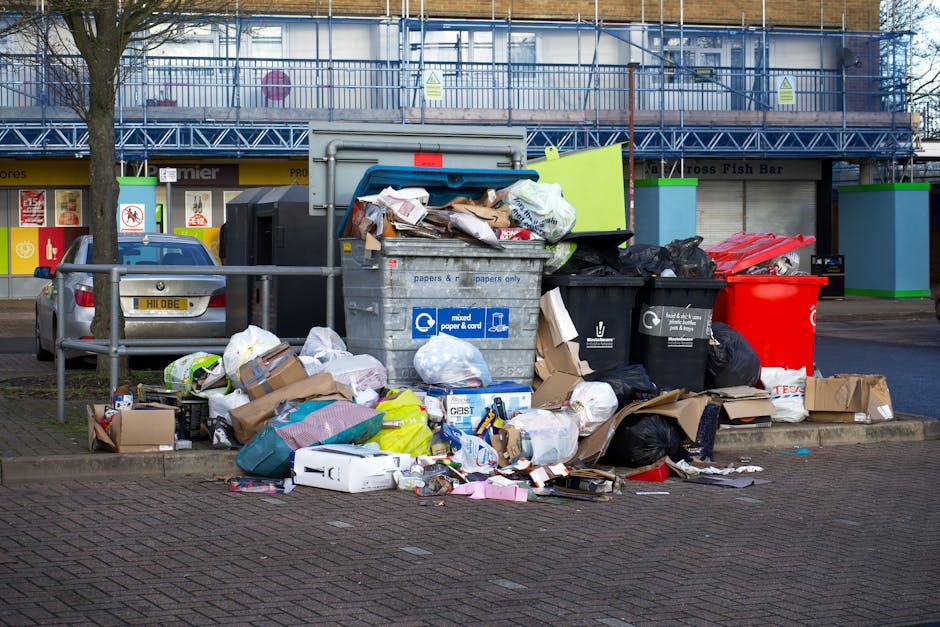
Bulky waste is not just "more rubbish." It is usually harder to move, harder to store, and more likely to create a mess if you leave it too long. On the Isle of Dogs, that matters even more because many homes are in apartment blocks or converted buildings where space is tight and shared access is limited. You notice the problem fast: a hallway starts to feel cramped, the bin area gets messy, and one oversized item can block the rest of your tidy-up plans.
There is also the practical side. If you put bulky items out without thinking through collection timing, access, or sorting, you may end up paying more or needing a second visit. That is frustrating, especially when you were hoping for one clean sweep. A better approach is to treat bulky rubbish pickup like a small project: plan it, stage it, and clear it efficiently.
For residents, the real value is peace of mind. You know what is being removed, when it is going, and how it should be handled. That matters for safety too, because lifting awkward furniture or white goods without the right help can lead to sore backs, scratched walls, and a few colourful words that echo down the stairwell. Been there, unfortunately.
If you want to understand the broader service landscape before booking, it can help to look at a general services overview and the company's approach to waste carrier licence and compliance. That kind of background builds confidence before anything leaves your building.
How Isle of Dogs bulky rubbish pickup tips for residents Works
Most bulky rubbish pickups follow a fairly straightforward pattern, even if the exact details vary. First, you identify the items that need removing. Then you decide whether they are reusable, recyclable, or simply waste. After that, you book a suitable collection, prepare access, and make sure the items are ready at the agreed time. Simple on paper. A little less simple when the item is wedged behind a bookcase in a third-floor flat.
In practice, the process tends to work best when residents separate awkward items in advance. For example, furniture is usually easier to collect if screws are removed, drawers emptied, and loose parts bundled together. White goods are easier too when cables, water lines, and anything inside them have been dealt with beforehand. The same logic applies to bagged loose waste, old decking, damaged shelving, and mixed household clutter.
If the job involves a lot of general domestic rubbish rather than a single sofa or mattress, a wider domestic waste collection Docklands service may be more suitable than trying to manage it as one-off bulky waste. That is especially true after decluttering, moving, or a small home refurb.
Residents should also expect practical questions during booking. How many items? Are there stairs or lift access? Is parking available close by? Are any items heavy, damp, sharp, or partly dismantled? These details matter because they affect time, labour, vehicle access, and whether two people or more are needed. To be fair, a two-minute honest description saves everyone time.
Key Benefits and Practical Advantages
The best bulky rubbish pickup tips are not only about removing junk. They help you make better decisions. And that leads to a cleaner space, fewer delays, and a smoother handover if you are moving out or preparing a property for sale or rent.
Here are the main advantages residents usually notice:
- Less stress: You are not stuck wondering how to move a heavy sofa or where to put broken furniture.
- Safer lifting: Fewer injuries, fewer scuffs on walls, fewer "why did I try to do that myself?" moments.
- Better scheduling: Collections can be matched to building access, work hours, or weekend plans.
- Cleaner homes: Clutter disappears faster, which often makes the whole flat feel bigger and brighter.
- More efficient sorting: Reusable, recyclable, and disposal-only items can be separated sensibly.
- Better value: A well-prepared pickup usually takes less time, and less time often means less cost.
There is also an environmental upside. When items are sorted properly, some can be diverted from disposal and handled through responsible recycling or reuse routes. If sustainability matters to you, it is worth checking a provider's general position on recycling and sustainability before you book.
Expert summary: The cheapest bulky pickup is not always the one with the lowest headline price. The best value is usually the one that saves you time, prevents missed collections, and avoids extra labour caused by poor preparation.
Who This Is For and When It Makes Sense
Bulky rubbish pickup is useful for more people than you might think. It is not just for major house clearances or landlords. In fact, many of the most common requests come from ordinary residents dealing with ordinary life admin. The unglamorous stuff. The annoying stuff. The "I'll deal with it next weekend" stuff.
This is especially relevant if you are:
- moving in or out of a flat
- replacing old furniture
- clearing loft, storage, or balcony clutter
- disposing of a broken appliance
- tidying after DIY or light renovation work
- helping a relative clear a home
- preparing a rental for new tenants
- sorting out overgrown garden waste or outdoor furniture
It can also make sense if you only have one or two large items but no practical way to move them yourself. Many residents underestimate how awkward a wardrobe or sofa becomes once you reach a tight stair landing. Suddenly the item is bigger than the staircase. Funny, in a grim sort of way.
For heavier furniture or awkward items, a dedicated furniture removal Docklands or furniture disposal Docklands service can be a better fit than trying to squeeze everything into a general rubbish plan. If the items include beds, wardrobes, tables, or mixed living-room pieces, that distinction matters.
Step-by-Step Guidance
Here is a practical process you can follow without overthinking it. The goal is to reduce surprises, not create a spreadsheet masterpiece.
- List everything you want removed. Write it down. Include the awkward bits like broken legs, loose shelves, or extra bags of smaller waste.
- Separate reusable from non-reusable items. If something is still usable, set it aside before the pickup day. It may be suitable for donation or resale.
- Measure the biggest items. Doors, stairwells, lift openings, and hallways all matter more than people expect.
- Check access. If parking is tight or the building has loading restrictions, mention that early.
- Ask about item types. Sofas, mattresses, fridges, and construction debris may be handled differently.
- Bundle smaller items neatly. Bag loose rubbish, tape sharp edges, and keep screws or fittings in a labelled bag.
- Clear a path. Make sure the route from the item to the exit is free of trip hazards.
- Choose the right collection type. One sofa is not the same as a full flat clear-out.
- Confirm timing and instructions. A quick note about lift booking or concierge access can prevent delays.
- Double-check the final pile. Before the team arrives, take a last look. You'd be surprised how often one item gets forgotten.
If the job is bigger than expected, a broader waste removal Docklands option may be more efficient than several separate pickups. That is especially true when the room looks clear but the cupboards, balcony, and storage corners still tell a different story.
Expert Tips for Better Results
Small improvements make a big difference here. In our experience, the people who get the smoothest bulky rubbish collections are not the ones with the biggest pile. They are the ones who prepare the pile properly.
Try these practical tips:
- Disassemble where sensible. Removing legs from tables or bed frames can make collection far easier.
- Keep like with like. Put furniture together, garden waste together, and mixed rubbish together. It saves time.
- Protect shared spaces. Use cardboard or blankets if you are moving items through a narrow hallway.
- Use dry storage. Wet items can be heavier and messier, and nobody enjoys dragging a soggy mattress anywhere.
- Book with building logistics in mind. Mid-morning can be calmer than the school-run rush or the after-work squeeze.
- Be honest about weight. A cast-iron bed frame is not the same as a flat-pack shelf, and it helps to say so.
- Plan around weather. Rainy days add time and mess. On the Isle of Dogs, a breezy dockside afternoon can also make lightweight debris wander off if you leave it loose.
A small but useful habit: take a phone photo of everything before collection. It helps you keep track of what is going and what should stay. Not very glamorous, granted, but it works.
If you are trying to reduce the overall cost of an uplift, it may help to read a practical guide on saving money on junk removal services. That kind of thinking pairs well with sensible preparation.

Common Mistakes to Avoid
Most problems with bulky rubbish pickup are preventable. The good news is that the fixes are simple once you know what to watch for.
- Leaving everything until the last minute. This usually leads to rushed sorting and poor access planning.
- Assuming one price fits all. A single item, a half-flat, and a full clearance are very different jobs.
- Mixing prohibited or awkward items without warning. Some items need special handling, especially electricals or anything contaminated.
- Forgetting building rules. Lift bookings, loading bays, and concierge instructions can trip up even a simple collection.
- Not measuring large furniture. That one is classic. The item looks manageable until it reaches the door frame.
- Overfilling the pile. If items are stacked badly, the team may need extra time to rework the load.
- Ignoring safety. Sharp edges, broken glass, or unstable stacks can create real risks.
One common mistake is trying to force a bulky-item job into a general domestic tidy-up without mentioning the awkward pieces. If you have a broken fridge, a heavy sofa, and several bin bags, say so clearly. The description matters. Honestly, it really does.
Tools, Resources and Recommendations
You do not need specialist equipment for every pickup, but a few simple tools make life easier. Think of this as household common sense rather than a professional toolkit.
Useful items to have ready:
- gloves for handling dusty or rough items
- strong bin bags for loose waste
- packing tape for bundling cables or small loose parts
- a screwdriver or hex key for dismantling furniture
- cardboard sheets or blankets to protect floors and hallways
- a measuring tape for doors, lifts, and larger items
- labels or marker pens if several rooms are being cleared
For residents comparing collection types, it is useful to look at the service pages that match the job. A sofa or dining set may fit into furniture disposal Docklands, while a larger domestic clear-out may point you toward house clearance Docklands. A loft stuffed with boxes, old decorations, and seasonal clutter may be better handled through loft clearance Docklands.
For residents who want to understand the business itself a bit better before booking, about us can help set expectations about the company's approach and standards. It is not flashy, but it is reassuring to know who is turning up.
Law, Compliance, Standards, or Best Practice
When you are dealing with rubbish removal in the UK, it is worth being careful about compliance. You do not need to become a legal expert, but you should know the basics. Residents remain responsible for making sure waste is handed to a suitable, properly licensed carrier. That includes checking that the service you use is legitimate and that your waste is not being dumped illegally.
Best practice also means keeping clear records of what was removed, especially for larger clearances, landlord changes, or anything involving mixed waste. If you are clearing a flat after a tenancy or managing waste from a small workplace, a more formal paper trail can be helpful. It is just good housekeeping, really.
Safety matters too. Heavy lifting, stairway movement, and sharp or broken items all create risk. If an item is too large or too awkward for safe handling, it is better to ask for help than to improvise. That is not being cautious for the sake of it; it is just sensible.
If you want to understand the operator's standards around trust, handling, and service expectations, it can help to review insurance and safety, along with the company's terms and conditions. For any collection involving payment handling, payment and security is worth a quick look too.
Options, Methods, or Comparison Table
There is no single "best" method for every resident. The right choice depends on item type, quantity, access, and how quickly you need the space back. Here is a simple comparison to help you think it through.
| Option | Best for | Pros | Watch-outs |
|---|---|---|---|
| Self-moving to disposal point | Very small amounts, easy-to-carry items | Can be cheap if you already have transport | Time-consuming, physically awkward, may not suit large furniture |
| Single bulky item pickup | Sofas, mattresses, white goods, one-off pieces | Simple, fast, less lifting for you | Needs accurate item details and access info |
| General domestic waste collection | Mixed household waste, bags, smaller items, clutter | Flexible and tidy for mixed jobs | May not suit very large or heavy furniture alone |
| Furniture-specific removal | Desks, wardrobes, beds, tables, lounge sets | Good fit for awkward household items | Best when furniture is properly described and separated |
| Full house or loft clearance | Moves, bereavement clearances, deep decluttering | Most efficient for large volumes | Needs more planning and may take longer on the day |
If your load includes one or two appliances, a dedicated white goods and appliance disposal Docklands service is often the cleanest route. If you are dealing with builders' rubble, plasterboard, timber offcuts, or renovation debris, builders waste disposal Docklands is more appropriate. Matching the method to the waste type saves confusion. And money, usually.
Case Study or Real-World Example
A very typical Isle of Dogs scenario goes like this. A resident in a third-floor flat decides to replace a sofa, a small wardrobe, and an old TV unit. At first, it looks like a quick Saturday job. Then they remember the lift has to be booked, the corridor is narrow, the sofa won't fit around the corner upright, and the wardrobe still has two shelves stuck inside it. Suddenly the "quick job" is not quick at all.
Here is what worked best in that kind of case. The resident measured the sofa, took the wardrobe apart the night before, removed drawers and loose fittings, and grouped the items neatly near the front room entrance. They also checked the loading space outside and gave clear instructions about access. Collection day became straightforward rather than chaotic.
The biggest difference was not the size of the waste. It was the preparation. Once the heavy lifting started, there was no hunting for screws, no moving items twice, and no awkward guesswork in the hallway. A small thing, but it changed the whole mood of the job.
That same approach applies to garden items, office clear-outs, and even one-off decluttering after a long winter. You can almost hear the room breathe again once the large stuff is gone.
Practical Checklist
Use this checklist the day before your pickup. It keeps things tidy and stops the usual last-minute scramble.
- List every bulky item you want removed
- Separate anything reusable or sellable
- Measure the largest items and key access points
- Confirm lift, stair, and parking arrangements
- Remove loose contents from furniture and appliances
- Bundle screws, cables, and fittings in labelled bags
- Protect floors and walls if items need to be moved through narrow areas
- Keep sharp or broken items clearly visible and safely contained
- Make sure the pile is ready in one agreed location
- Review the booking details one last time
Quick reminder: if you are also clearing storage spaces, balconies, or lofts, do a second sweep. Little items love to hide. It is their thing.
Conclusion
The smartest Isle of Dogs bulky rubbish pickup tips for residents are rarely complicated. They come down to preparation, honest communication, and choosing the right type of collection for the job in front of you. Measure the awkward bits, sort items properly, think about access, and do not leave everything until the last minute. That alone solves most of the common headaches.
For many residents, bulky waste is less about the waste itself and more about the disruption it causes. Once it is gone, the flat feels lighter, the hallway feels calmer, and the whole place starts to feel usable again. That is the real win. Not just an empty space, but a clearer head too.
For an easier next step, compare the job against the available service types, check the practical details, and choose the route that fits your building and your schedule. A little planning now usually pays off twice over later.
Get a free quote today and see how much you can save.