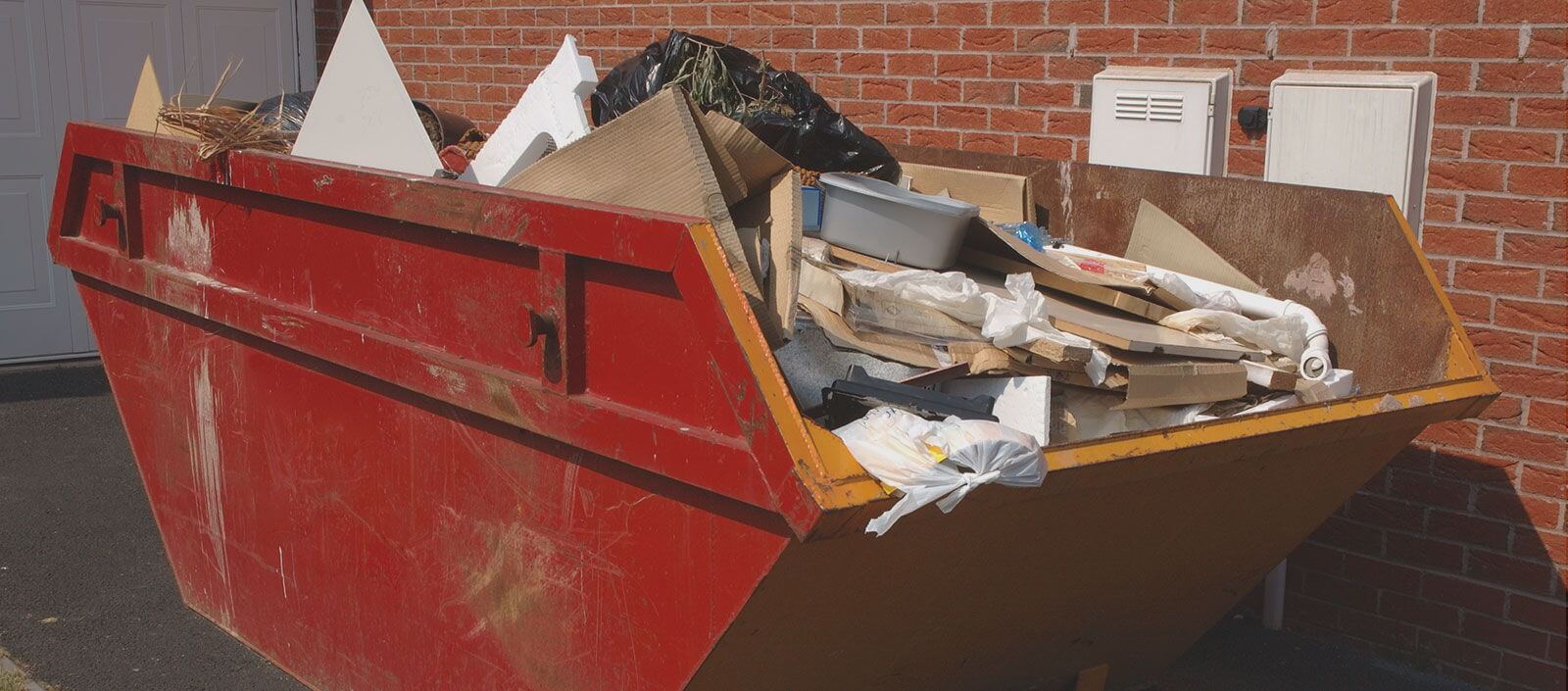
Waste Removal in Docklands
Waste Removal Docklands provides a practical waste collection service for homes, flats, landlords, offices and building projects in the Docklands area. The aim is straightforward: remove unwanted items safely, sort them sensibly and leave the space ready for what comes next. From single bulky items to fuller clearances, the service is organised around the type of waste, the access available and the most suitable disposal route.
The work often starts with ordinary household or business waste, but it can also include furniture, white goods, mixed rubbish and light builder’s waste. For a fuller view of the range, see the services overview, which sets out the main collection and clearance options. If you already know the kind of waste you need removed, the team can usually focus on the most relevant service rather than offering a one-size-fits-all approach.
Our service is designed to keep the process clear at each stage. We match the collection to the waste, explain the likely pricing factors and help customers choose a suitable time for the work. If you are comparing options, pricing information is a sensible place to begin, while a short enquiry can then be used to confirm the details that matter for your own job. Start with the items you want removed, and build from there.
Domestic waste collection and everyday household clearances
Domestic waste collection in Docklands is useful when bags, broken household items or general clutter have built up and a council collection is not the right fit. The service can cover mixed household rubbish, smaller clear-outs and one-off items that are awkward to move independently. It is also helpful when a property needs tidying after decoration, a rearrangement or a tenant handover, because the work can be scaled to the amount and type of waste rather than to a fixed load description.
For households, it is often useful to separate what is still reusable from what needs disposal before the collection date. That keeps the job more efficient and helps the waste handler plan the load properly. If you are preparing a quotation, it is usually enough to note the main items, any access restrictions and whether the waste is inside or already outside. For a direct route into this kind of collection, visit domestic waste collection.
When a home contains a wider mix of items, the approach may shift from a simple pickup to a more structured removal. Furniture, appliances and general rubbish can often be handled together if they are described clearly. That is one reason a short written summary works well: it lets the service identify the safest lifting method, the likely labour involved and whether more than one waste stream is present. Clear description saves time and helps the quotation reflect the actual job.
Furniture, appliances and bulky item removal
Bulky item removal is a key part of waste management in Docklands because sofas, wardrobes, mattresses and white goods are difficult to dispose of through ordinary bin collections. These items usually need careful lifting, suitable transport and proper sorting once collected. The service is particularly useful when furniture is being replaced, a room is being reconfigured or a property is being emptied in stages rather than all at once.
We also handle white goods and appliance disposal where the item is no longer needed and must be removed in line with sensible handling practices. Fridges, freezers, washing machines and similar appliances may need extra attention because of their weight and components. To see that service in more detail, use white goods and appliance disposal. If the item is furniture rather than an appliance, the dedicated furniture removal page gives a clearer match.
In many cases the decision is not only about what is being removed, but how it sits in the property. A wardrobe on a top floor, a heavy table in a tight corridor or a dismantled bed frame in boxes each call for slightly different handling. The cleaner you can describe the item and its access route, the easier it is to size up the work. Bulky does not have to mean complicated, but it does need a sensible plan.
Commercial waste removal for offices and business premises
Commercial waste removal in Docklands supports businesses that need a tidy, lawful way to clear routine rubbish or occasional surplus stock. Offices, shared workspaces, retail units and other premises can generate mixed waste that is not suited to standard household collection. The service can be adapted to different business settings, whether the requirement is for a simple bulk removal or a more regular clearance of accumulated materials.
Office clearances are a common example, especially when furniture, filing, equipment or miscellaneous contents need to be removed from rooms that are being reconfigured. You can review the dedicated office clearance page for a more focused description of that work. For a broader business disposal option, the commercial waste removal page explains the service from a business perspective and is a useful starting point for premises managers.
When a commercial job is planned well, it is easier to minimise disruption around trading hours, building access and shared corridors. A simple inventory of what stays and what goes is often enough to help shape the job, especially where furniture or equipment must be moved in stages. If you are preparing details for a quotation, note any loading restrictions, lift access or permit considerations alongside the waste type. That gives a more useful picture than a vague request for everything cleared.
Builder’s waste, renovation debris and mixed site clearances
Builder’s waste disposal covers the lighter debris and unwanted materials that remain after refurbishment, repairs or small building projects. In Docklands this can include packaging, broken fixtures, offcuts, plasterboard-type waste and mixed rubble where it is suitable for collection. The service is generally chosen when the amount of material is too much for ordinary disposal but not large enough to justify a specialist skip arrangement. It can also be helpful at the end of a room refit when the final tidy-up matters as much as the main works.
To keep the service accurate, it helps to separate inert waste, timber, packaging and household-like rubbish before asking for a quotation. Some jobs are straightforward mixed-load removals, while others need extra care because of heavier or sharper materials. For a more specific route into this type of work, the builder’s waste disposal page is the clearest match. If the job includes several waste types, the overall collection can still often be arranged together rather than split into multiple visits.
A focused quote depends on the practical details. Photographs can help, but they work best alongside plain information about where the waste is, how much there is and whether it is already bagged or stacked. If a staircase, shared entrance or restricted loading area is involved, mention it early. That kind of context makes it easier to compare the work fairly and decide whether the service can be carried out in one visit or whether it is better split into phases.
House, loft and furniture clearance options
Some jobs are better described as clearance rather than simple removal. House clearance in Docklands is useful where a property contains a wide mix of contents, furniture and general waste that needs to be removed together. It may be suitable after a move, before refurbishment or when a long-unused property needs to be emptied in a careful and orderly way. The main benefit is that the work is structured around the contents of the property rather than around one item at a time.
For loft spaces, loft clearance can be especially helpful because access is often awkward and contents may be dusty, boxed or long stored. A dedicated loft clearance page covers that service in more detail, while the house clearance page is the better fit when the whole property or several rooms are involved. Furniture disposal can also be combined where sofas, beds or cabinets form part of the wider clearance.
In both cases, the central decision is how much of the property needs attention. A room-by-room list is often more useful than a single broad description, especially where some items are to remain in place. If there are fragile access points, shared hallways or items stored in the loft that need special handling, include that in the enquiry. The more clearly the contents are described, the easier it is to shape the work without overcomplicating it. One clear inventory is better than several vague messages.
About Docklands
Docklands is a riverside district in east and south-east London that grew from the former docks and warehouses along the Thames into a modern business and residential area. Its identity still reflects that industrial past, even though many of the old maritime functions have been replaced by redevelopment, apartments, offices and leisure spaces. The area is usually associated with the London Docklands as a whole, including parts of the Isle of Dogs and Canary Wharf, and its waterfront setting remains one of its defining features. The River Thames, dock basins and canals shape the landscape, while former docklands infrastructure sits alongside contemporary towers, pedestrian routes and new public spaces. Much of the character of the area comes from this contrast between old and new, where regenerated estates and commercial centres sit close to reminders of the port activity that once dominated the district. Canary Wharf is now a major landmark in its own right, with a dense cluster of office buildings, shopping areas and transport connections. Elsewhere, the area includes quieter residential streets, waterside walks and open spaces that give it a broader mix than a purely financial quarter. Docklands also has strong transport links, including the Docklands Light Railway, which helped reconnect the area with the rest of London during regeneration. The result is a place that is both highly modern and historically layered, with architecture, waterways and infrastructure all telling parts of the same story.
Pricing, access and useful quotation details
Waste removal pricing is usually shaped by a small group of practical factors: the type of material, how much needs to go, how difficult it is to access and whether extra labour or sorting is involved. That is why a quotation is most useful when it reflects the real job rather than a rough guess. A single bulky item, for example, is assessed differently from a mixed load of furniture, bags and renovation debris, even if both jobs are in the same building.
If you want a more transparent view before you enquire, the pricing and quotes page is designed for that purpose, and the contact page is the right place to request a quotation. When preparing your message, include the collection address area, a short item list, any access issues and whether the waste is ready to move. Useful detail is usually better than long explanation, and clear information tends to produce a more accurate reply.
It also helps to mention timing only in practical terms, such as whether the job needs to fit around opening hours, tenants, trades or a move-out schedule. If the waste includes a mix of materials, identify the biggest items first and then the smaller extras. For many customers, that is enough to start the process. recycling and sustainability explains how sorted materials are handled, which can be helpful if you want to understand the disposal approach before sending an enquiry.
Standards, safety and the next step
Good waste removal depends on more than lifting and loading. Safe handling, suitable transport and lawful disposal all matter, particularly where mixed materials or heavier items are involved. You can read more about the practical approach on the insurance and safety page, and the waste carrier licence and compliance page sets out the compliance side of the service. These pages are useful if you want to understand the framework behind the work before booking it.
For customers who want to see the company background, the about us page provides that context without changing the service itself. If you are unsure which type of removal suits your job, start with the most likely service page and then narrow it down from there. It is usually easier to choose between household, commercial, furniture or builder’s waste once the items and access conditions are stated clearly. That gives the quotation stage a strong foundation and keeps the enquiry efficient.
When you are ready, send the details through and request a quotation. If you want a straightforward way to begin, use the contact page and explain what needs removing, where it is located and whether anything needs special handling. We can then respond with the most relevant option rather than a generic answer, which is usually the most helpful next step for a waste removal job in Docklands.